Gravity-fed winemaking
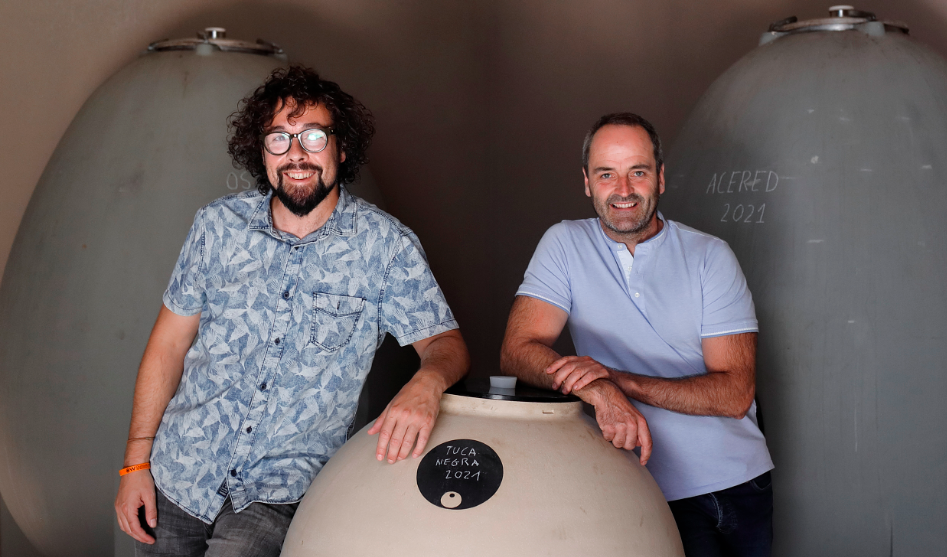
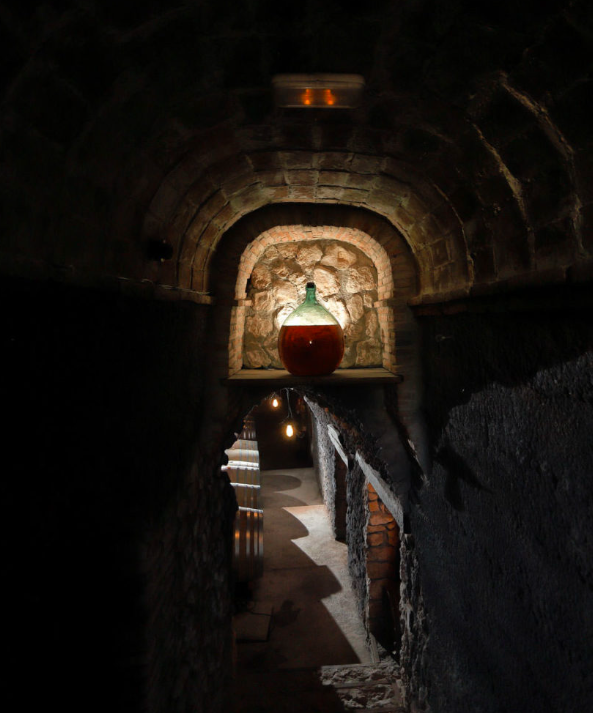
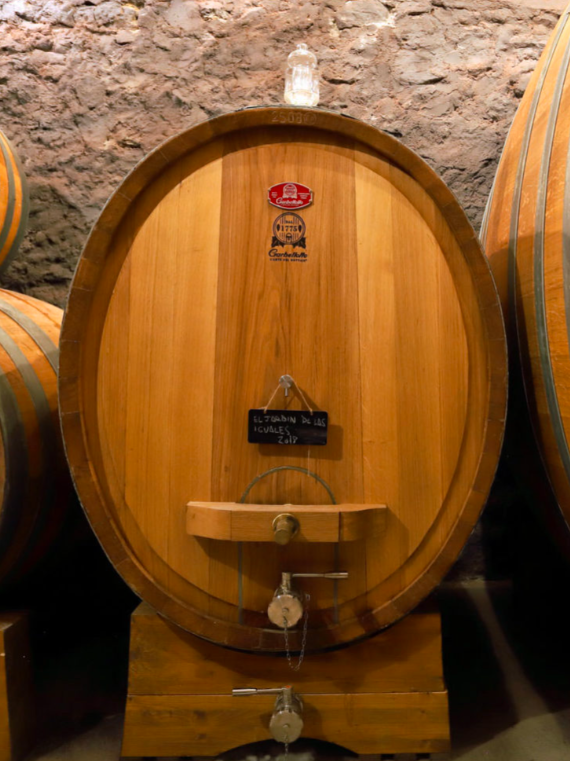
The winery is a house with an underground cellar around 200 years old (on three levels), which allows gravity-fed work and very gentle handling of the grapes, as well as perfect temperature and humidity for ageing. After a major renovation, it can process some 70,000 kilos of grapes and age almost 50,000 litres of wine in a variety of vessels: concrete, oak foudres and barrels of different sizes up to 600 litres (demi-muid).
Although wines had been aged here since 2017, 2019 was the first vintage made entirely in the new winery, with every plot vinified separately: 45 wines in all to work with for different blends.
Why recovering old vineyards matters
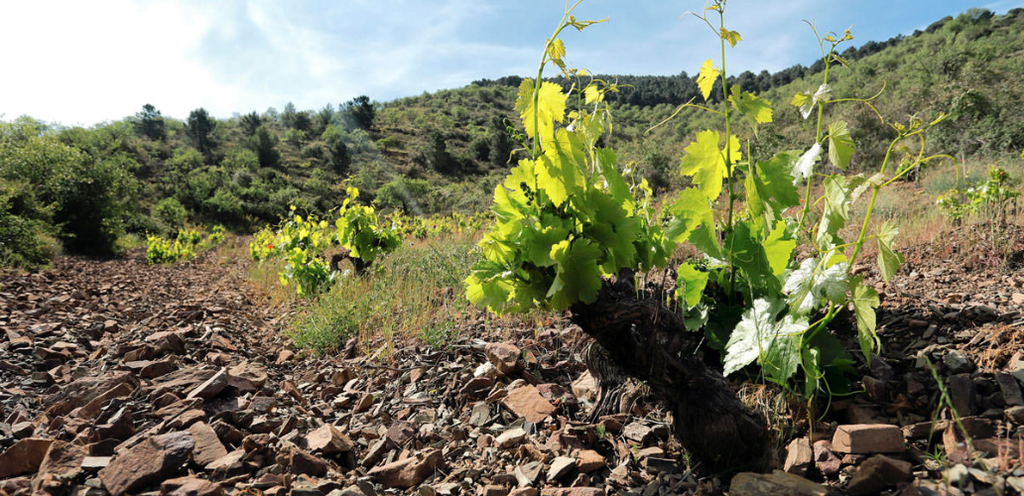
There is no greater beauty in our world, the world of wine, than the twisted, evocative shapes of an old vine. Some think it is marketing; others of us believe old vines make a real difference in quality.Wine has always had a romantic, artistic and cultural side, as well as the magic of being
One way to find these unique, special sites is to follow the old vineyards. That they are still there may be pure chance or, more likely, because their quality and the family's attachment to them have kept them farmed, often out of habit. Caring for and managing these vineyards is the key: pruning, fertilising, working and revitalising the soil. A very old vineyard that is simply exploited will eventually die. But maintenance, revitalisation and replanting can keep it going and even improve it. Recovering and farming old vines is complex, because it calls for a great deal of labour, transport, study, knowledge and patience. It all makes sense when we crack the puzzle and find the path for those grapes to become a great wine. The uniform styles of the past meant that some of these old vines, planted decades ago, could not deliver the concentration demanded of them or stand up to the oak meant to tame them.