Since 1775
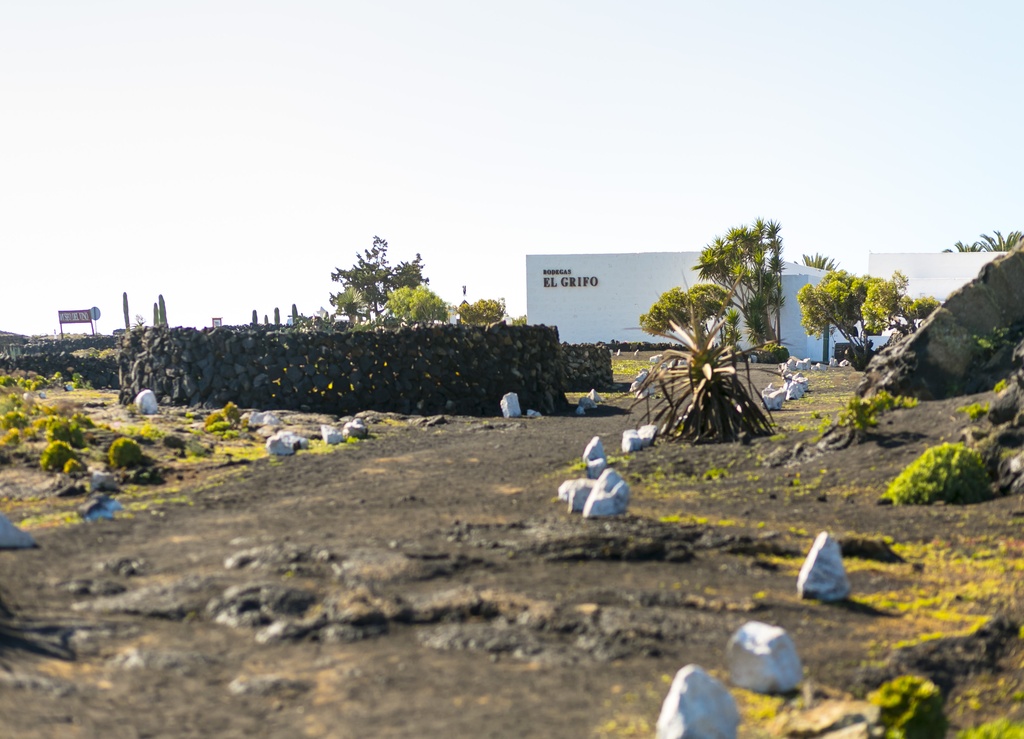
Founded in 1775 after the volcanic eruptions, the oldest winery in the Canary Islands and among the ten oldest in Spain lies in the protected area of La Geria.
Manuela García [-Durán] Parrilla inherited El Grifo and married the Lanzarote doctor Fermín Rodríguez Bethencourt. On her death, and after an interim period in which one of her sons, Dr Manuel R. Bethencourt, ran the winery from Madrid, the property passed to Manuela and Fermín's daughter (and so Dr Bethencourt's sister), Antonia Rodríguez-Bethencourt, wife of Juan José Otamendi Soravilla and mother of the two brothers who own it today.
The two de Torres, uncle and nephew, owned the winery for about 45 years. The uncle, the venerable Don Antonio de Torres, built most of the old buildings.
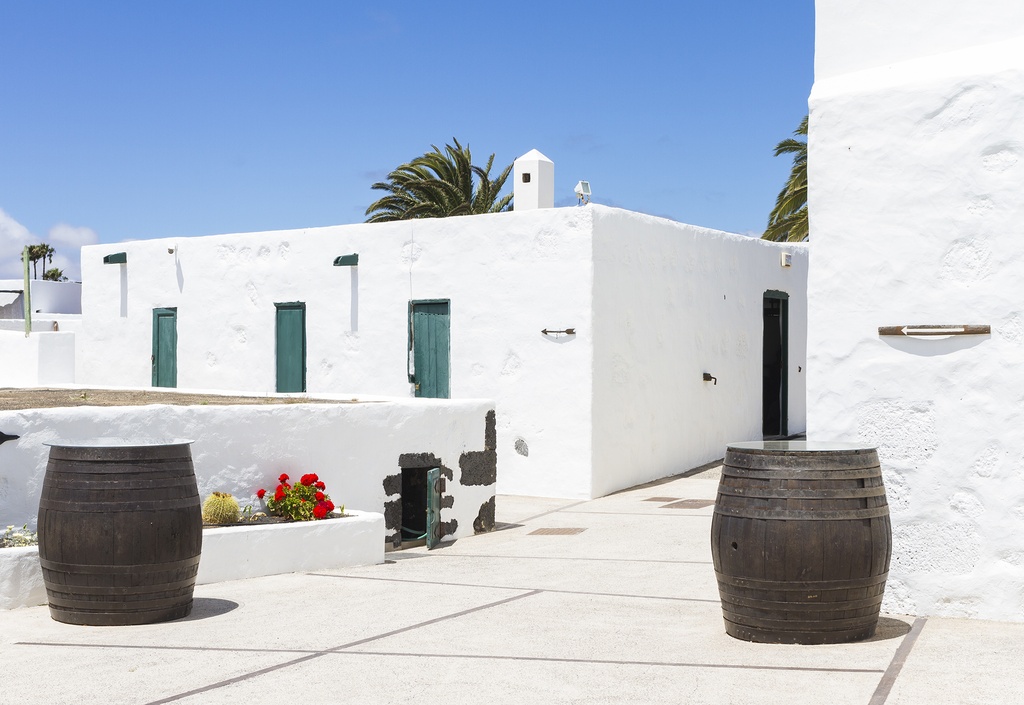
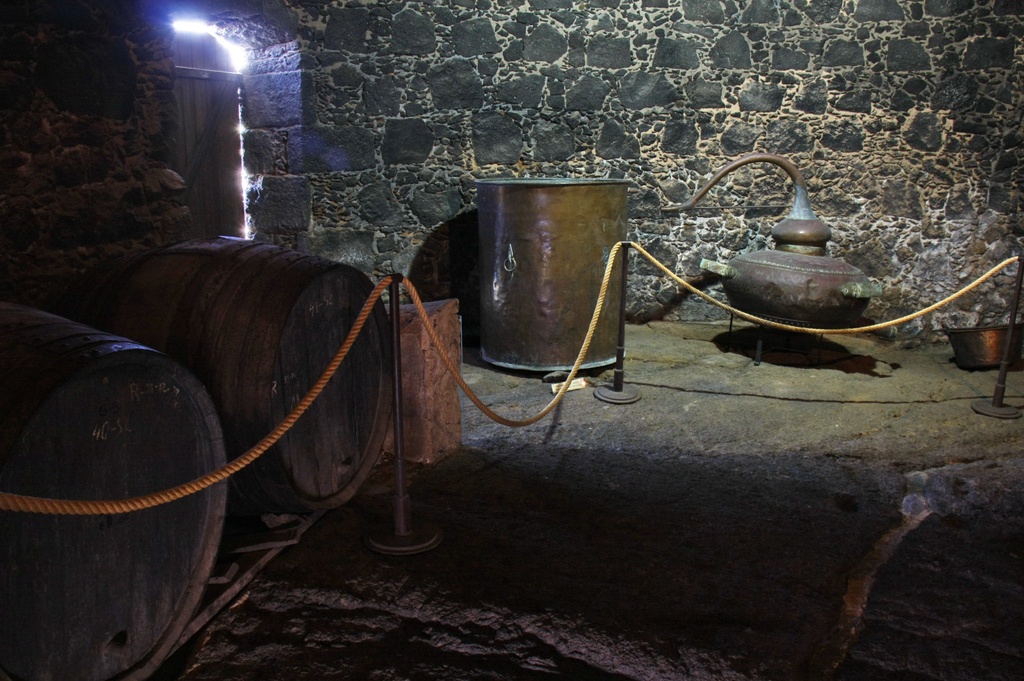
The de Castro family then owned El Grifo from 1820 to 1880, some 60 years and three generations. Finally, the current family has owned it since 1880, across five generations, counting that of Gonzalo García Durán (who owned estates now part of El Grifo), father of Manuel García Durán, respectively great-great-grandfather and great-grandfather of the current owners. They built the current winery next to the old buildings, which are preserved as a museum.
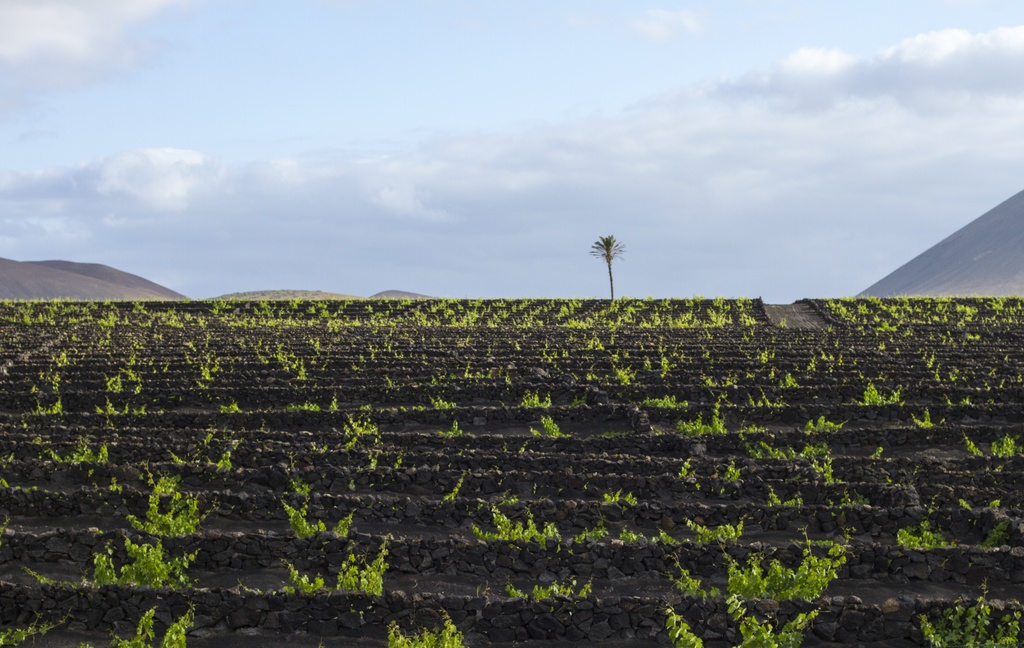
Famous for its lunar-looking landscapes, Lanzarote is the easternmost island of the Canary archipelago and the closest to Africa.
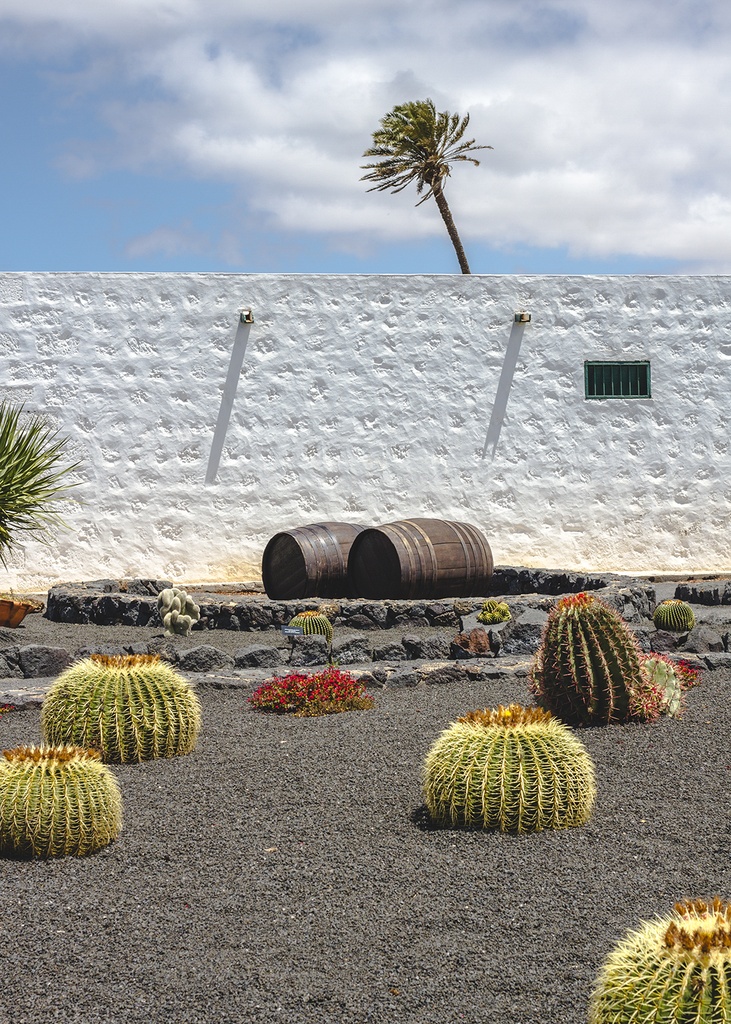
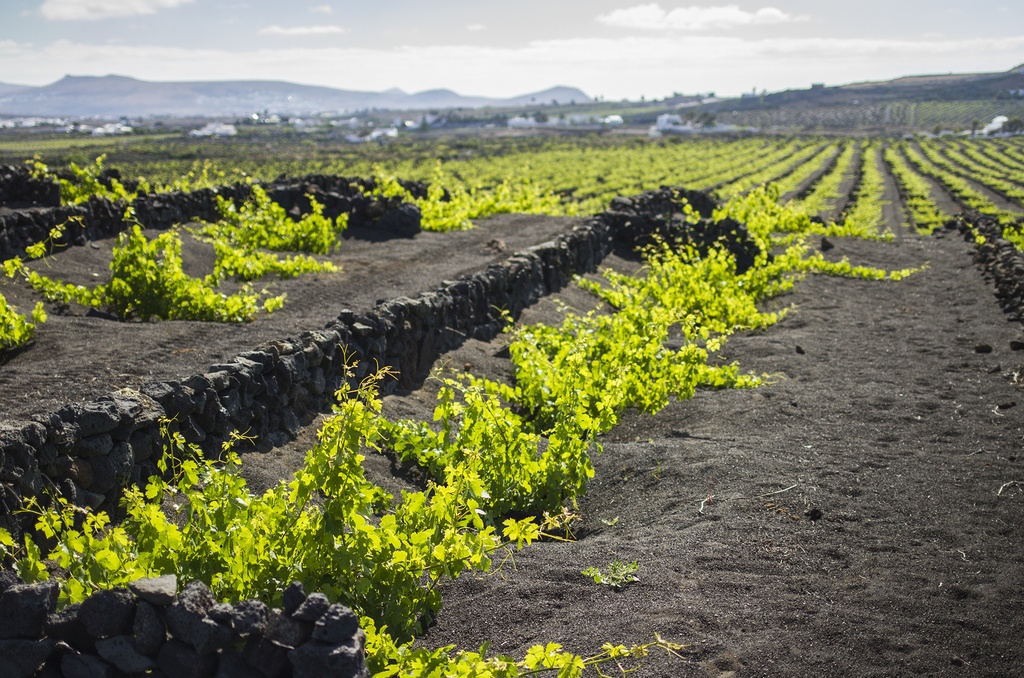
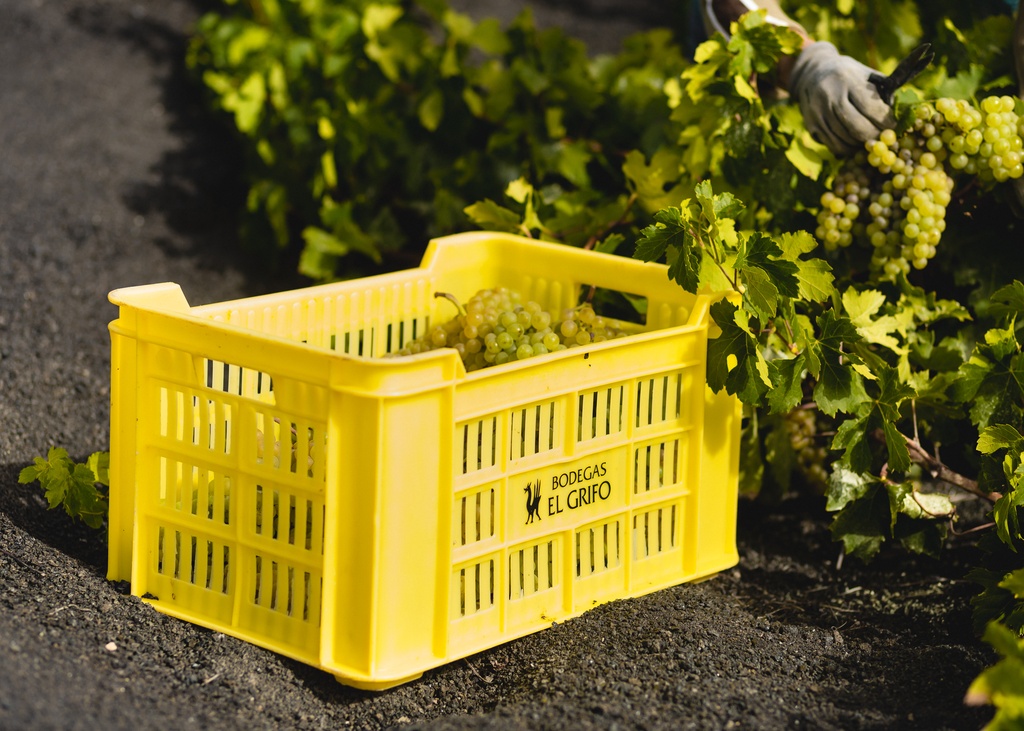
On its soils, covered in volcanic ash, some of the most unusual winegrowing practices on the planet produce truly unique wines.
Pre-phylloxera varieties
The phylloxera that struck Europe in the last third of the 19th century never reached the Canary Islands, so their grape varieties have been preserved. Lanzarote's varieties arrived from the other islands after the 18th-century eruptions; they had reached the archipelago from Andalusia at the dawn of the 16th century. Most of the varieties described in 1877 by the engineer Barrioso, in the report he prepared for the 1878 National Wine Congress, are still grown on Lanzarote. Some are exclusive to the Canaries, such as Malvasía Volcánica and Listán Negro; others, such as Vijariego, are becoming endemic, as they have almost disappeared from their place of origin, Andalusia.
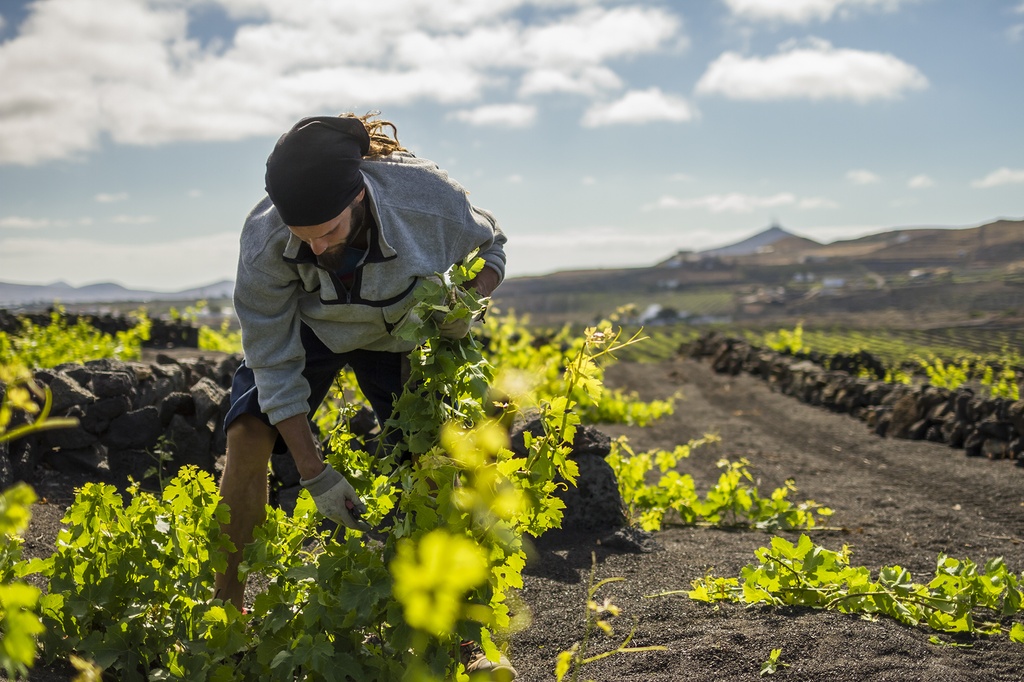
The absence of phylloxera means vines can be planted on their own roots, without rootstocks, as they always have been.