History
When the Pyrenees and the Massif Central were formed two million years ago, the Dordogne and Garonne rivers carried alluvial deposits that would eventually meet.
Over the centuries, this ideal union of forces created gravel soils, laid down here as nowhere else. These soils, dating from the Quaternary period, have made Pauillac a legendary terroir able to withstand the most extreme conditions, even in these times of climate change.
Its gravels and clays regulate the water that floods in or drains away, absorbing, soaking, holding, tightening or loosening, easing and releasing, to nourish the soil they belong to without excess.
Four hundred years ago, farmers already knew the subsoil changed just a few steps away, and that a little farther on, its texture was lighter and even finer. There, a hillock formed, which locals called "La Hite" in their Gascon dialect and that later gave Lafite its name.
This is where the first stones were laid, and the growers' houses were built, when people realised that something out of the ordinary would happen here.
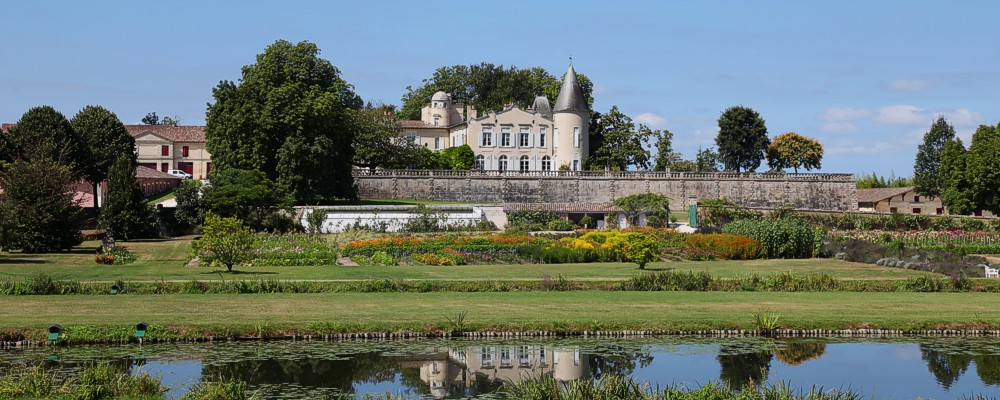
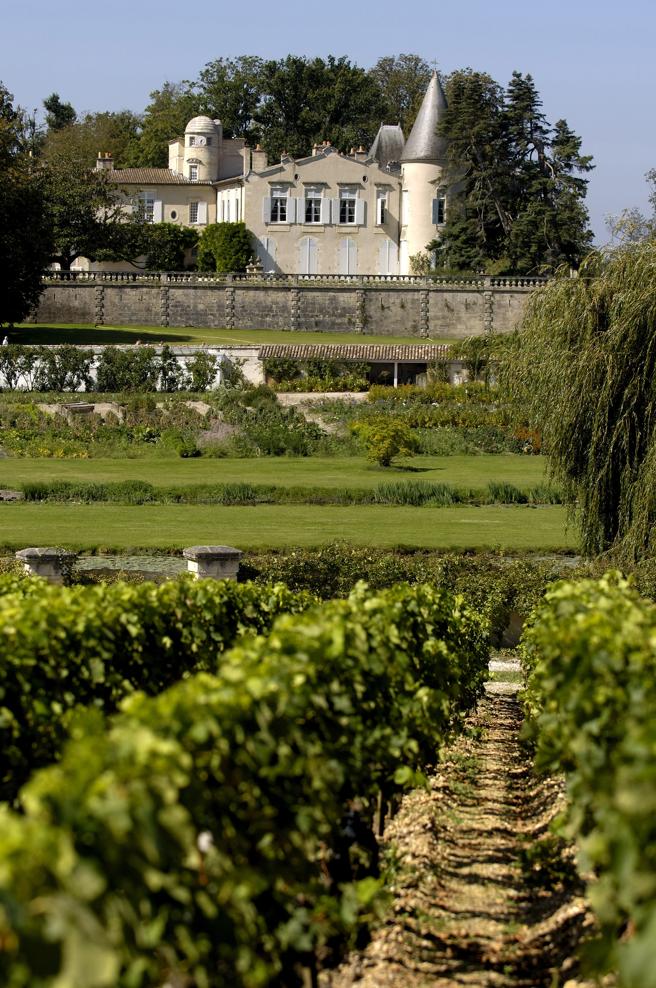
Over the years, the house overlooking this hillock grew larger, and a wisteria climbed its walls to watch generations of families for whom preserving this ecosystem has always been the top priority.
A hundred and fifty years ago, Baroness Betty, wife of Baron James, planted the huge oaks that separate the vineyards from the wetlands. They, their children and grandchildren, and the winegrowing families who joined them, worked with precision to protect the perfect composition that nature had bequeathed them. They took immense care to preserve this microcosm of woods and wetlands, fauna and flora, at the heart of which the vines of Château Lafite Rothschild flourish in an almost wild osmosis.