History
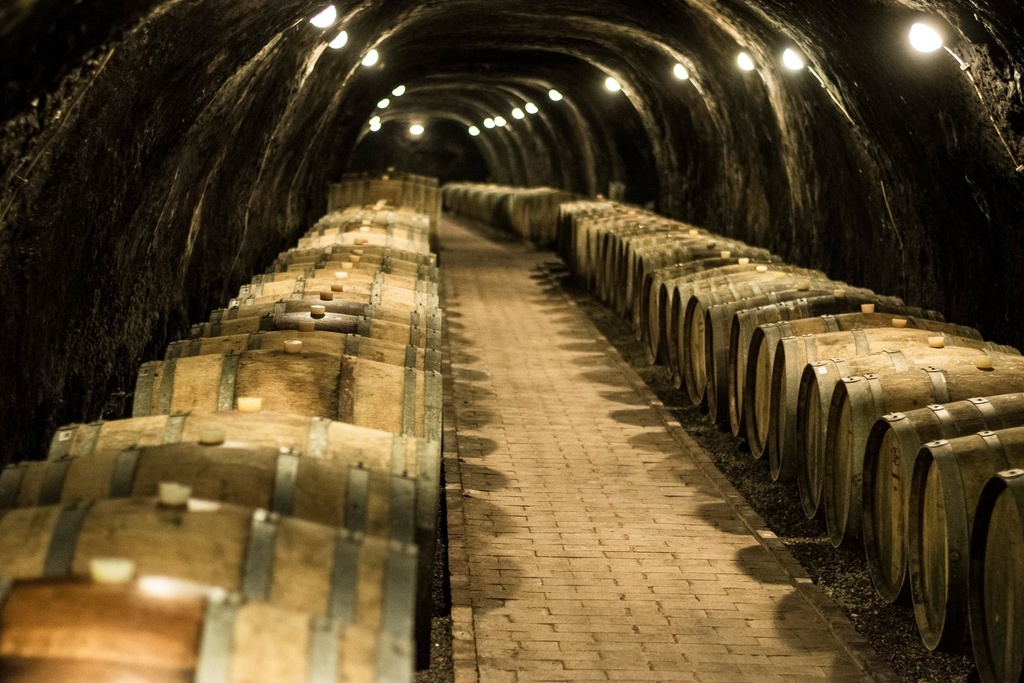
The first written mention of the cellar in Bodrogkeresztúr dates from the early 15th century, when an inventory reported that the cellars, then owned by King Sigismund, were used to collect and store tithes paid in wine. From the 1450s, the property passed to the Hunyadi family, that of Mátyás Hunyadi, probably Hungary's most popular king.
At the time of the Turkish invasion it was held by the Habsburgs as an imperial estate. From 1605, the Transylvanian princes Bocskai and later Bethlen ruled the manor on the northern side of Dereszla hill and the cellars that belonged to it.
In 1645, after the Peace of Linz, today's cellar system became one of the Rákóczi family's major properties. During the Rákóczi War of Independence, Prince Ferenc Rákóczi's fortune was enriched by the wines matured here. After the estate was divided in 1699, the cellar passed to his sister, Julianna Rákóczi.
In 1691, Julianna married the French count and lieutenant general Ferdinand-Gobert Aspremont-Reckheim. Julianna died in 1717, aged only 45. Her husband, 29 years her senior, had been buried in 1708.
By the end of the 18th century the Aspremont line had no male heir, so through the marriage of its only daughter the Bodrogkeresztúr cellar, with its turbulent past, passed to the Wolkenstein family. They ran the affairs of the four cellars belonging to the estate until 1945.
In January 1849, one of the bloodiest battles of the War of Independence was fought at Bodrogkeresztúr. A national-coloured frame around a cannonball lodged in the wall of the Vinotéka building commemorates the Hungarian victory.
The highest and youngest cellar in today's system, dug in the early 19th century, belonged to the Klaber family, Jewish wine merchants from Sopron; it was nationalised after the Holocaust of 1944. The main branches of the cellar system became the property of the Tokaj Wine Trading Company, set up at that time, and later the cellar where Tokaj blends were bought in and matured. During the wave of privatisation in the 1990s, CANA, the largest agricultural cooperative in France, based in the Loire, acquired it in 1992.