First steps in winegrowing
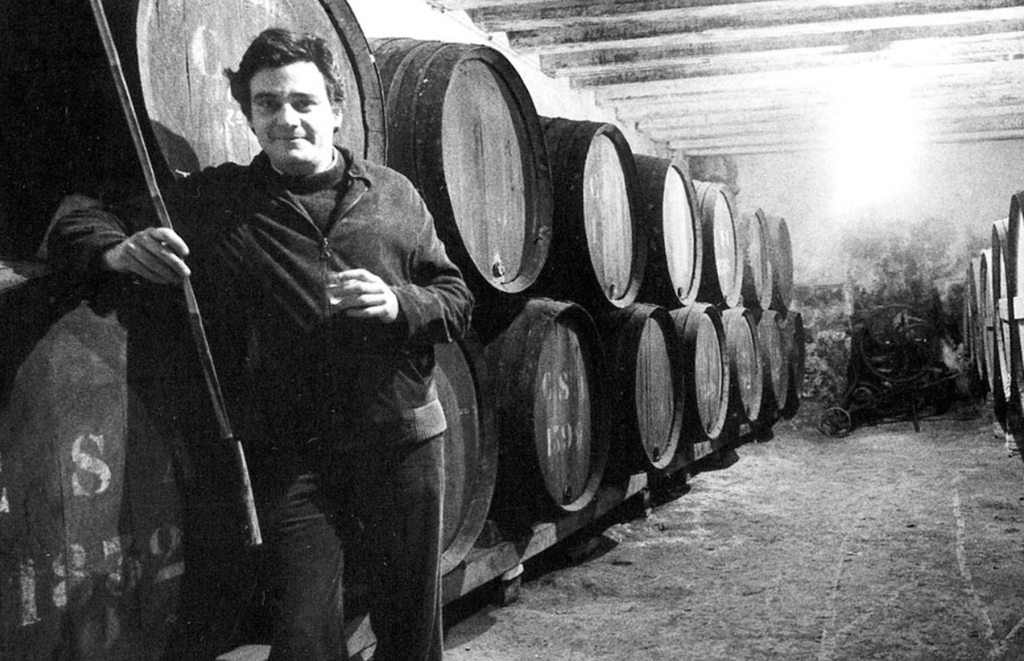
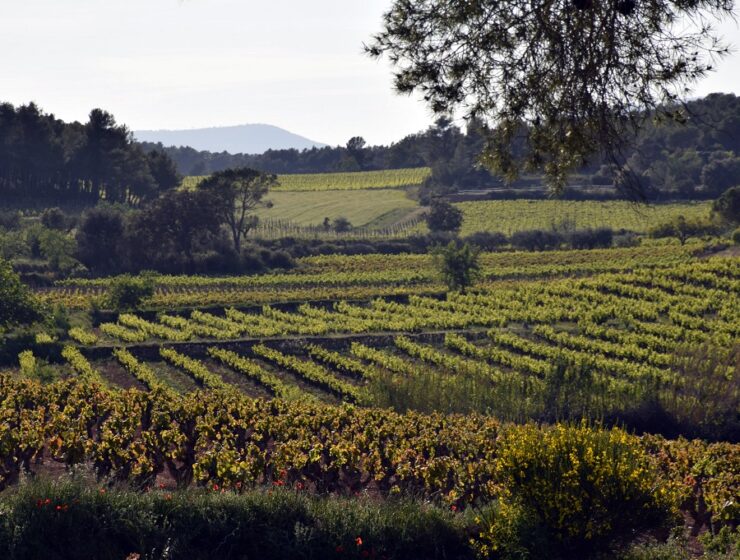
In 1979, Carlos Esteva decided to move to his grandfather's estate, Can Ràfols dels Caus. His first ventures into winegrowing took place in Menorca in the 1970s, but it was only when he took over the family estate that he threw himself, heart and soul, into producing quality wines, highlighting the character of the landscape and the site's architecture within a sustainable framework. The wines of Can Ràfols dels Caus come from a land like no other: the Garraf Massif, a landscape unique in Catalonia. Geographically, it is a large limestone mass at the southern tip of the Coastal Range, bordered by the Penedès plains and the Mediterranean Sea. It is a landscape of austere beauty, made up of a succession of rounded hills (some rising above 500 metres) cut by deep valleys and steep slopes that expose whitish-grey rock faces. This terrain greatly limits the amount of land that can be farmed. Ràfols dels Caus is one of Europe's most distinctive and appealing wineries.
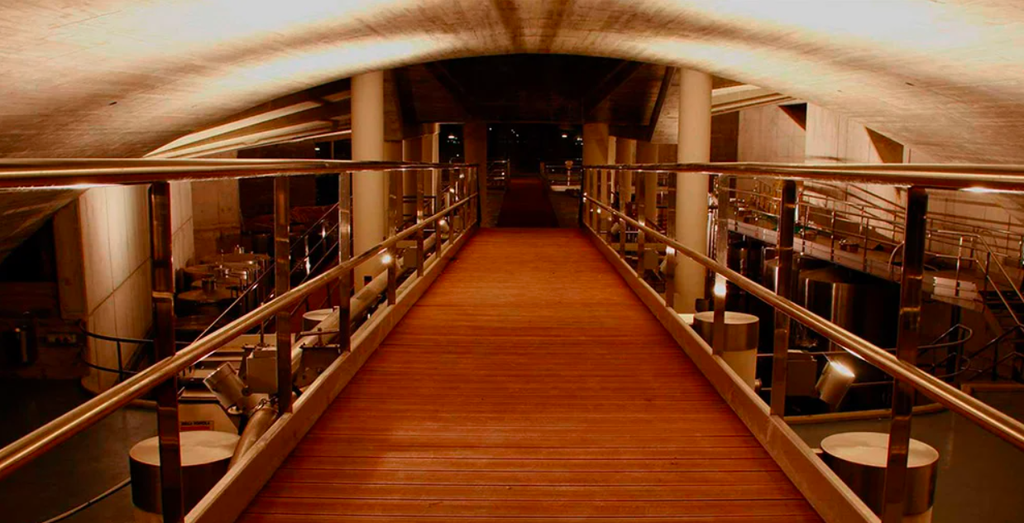
Twenty-five years after he began his winemaking adventure, Carlos Esteva took a major step by building a new winery. The aim was not to make room for more vats, hectolitres and bottles, but to work better. The project multiplied the estate's quality potential, as everything was designed for more detailed micro-vinifications, keeping grapes from different plots even further apart, and for continued research.
The new winery
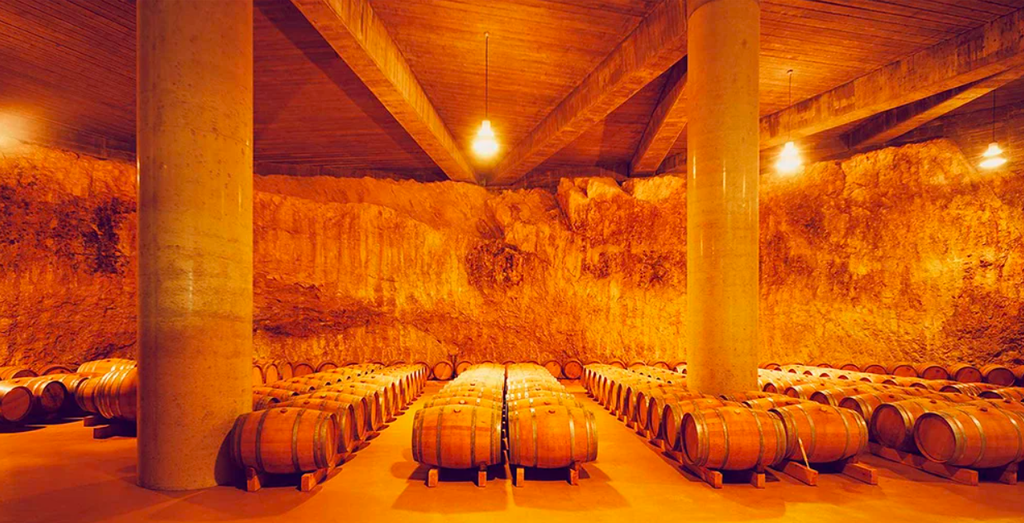
Above all, the new winery is a mark of respect for a unique setting of great scenic value, with architecture inherited from a historic past. With this aim, and with the utmost care over every detail, the winemaking and ageing cellar was built entirely into the Garraf rock. Invisible from outside and fully integrated into the landscape, it is laid out on several levels to allow gravity-fed winemaking.