Vineyards
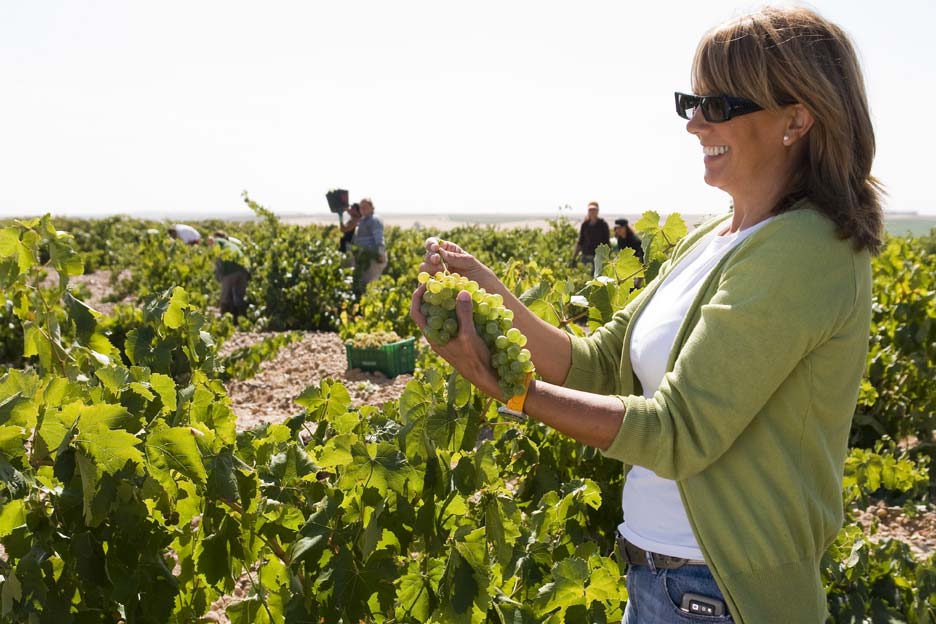
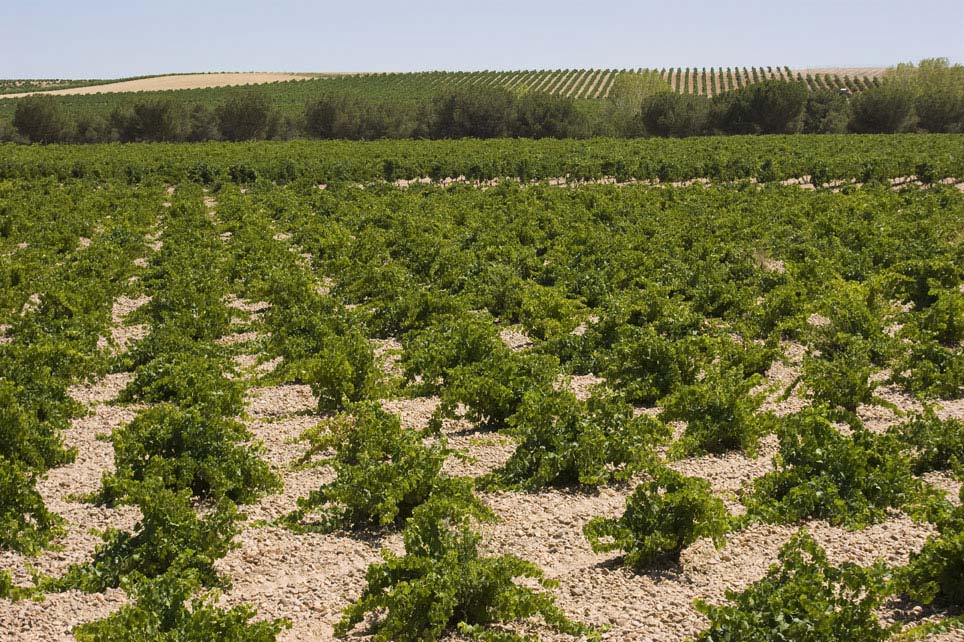
The José Pariente vineyards lie in two areas: one in the province of Valladolid, covering the sites of Rueda, La Seca, Torrecilla de la Abadesa and Tordesillas; the other in Segovia, in the villages of Codorniz and Nava de la Asunción. All of them are farmed organically.
Soils
Flat, mid-altitude land within the D.O. Rueda, between 700 and 800 metres above sea level. Its latitude places the area in the Mediterranean climate zone, but its altitude gives it a continental influence.
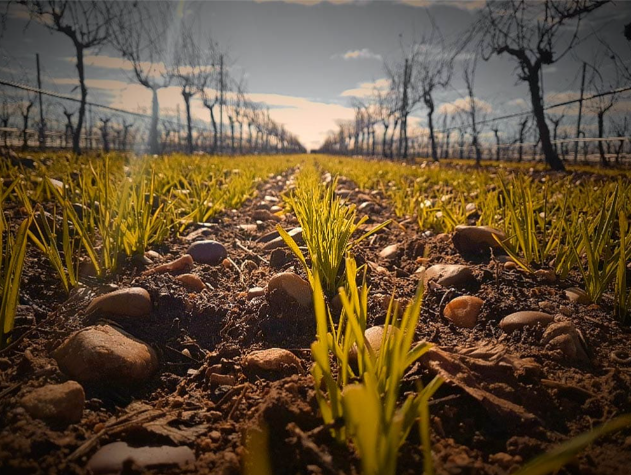
Most of the vineyard soils are stony, made up of rounded pebbles, poor in organic matter, with some limestone outcrops on the higher ground. Some old-vine plantings also grow on sandy soils, hence the soils' great minerality.
Climate
The vineyards face extreme seasonal temperature
very long, cold winters, short springs with late frosts, and hot, dry summers with occasional storms.
The wide gap between day and night temperatures is key to balancing the sugar the grapes gain from the sun with the acidity they keep thanks to cool nights. Rainfall is low, ranging from 300 to 600 litres per square metre a year.
R&D
Bodegas José Pariente, which already farms all its vineyards organically, has used the SIGEVER project to keep contributing to ecosystem preservation and sustainable rural development. This is just one of many projects it has carried out in this field.
José Pariente's goal has always been to show the potential, versatility and ageing capacity of the Verdejo grape.